Hello and welcome back for part 2 of my series about Nature Journaling (check out Part 1 here for a general overview) !
With the practice of nature journaling, before we can do the work of journaling, we have to find some nature. So today’s post covers a few different suggestions for how to find nature near you.
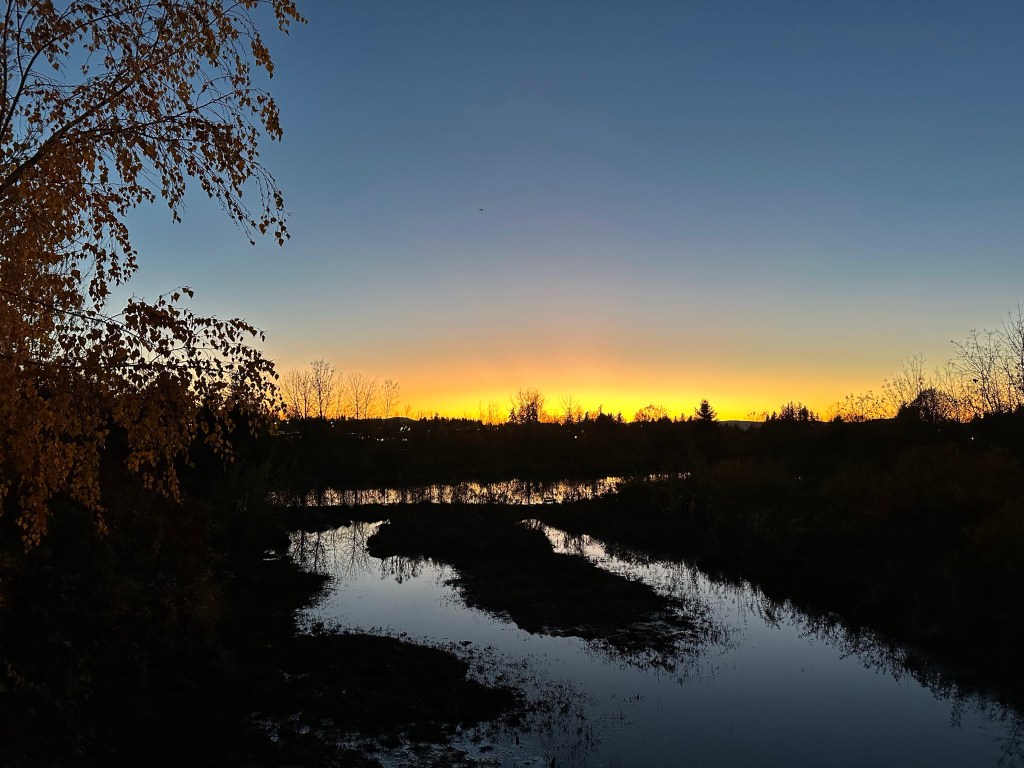
Option 1: Find Your Nature Nook
As someone who primarily journals in urban/suburban settings, I would suggest you start by finding your own nature nook. To me, a “nature nook” is a space that is 1) within walking distance from where you live, 2) accessible to you (do not go into unsafe areas or trespass!), and 3) is regularly home to living things. Other journalers often refer to this practice as finding a sit spot.
Revisiting your nature nook over and over can add layers to your nature journaling practice, while also helping you connect with the environment around you and the annual cycles it goes through. I would recommend finding a place that catches your curiosity, whether your drawn by the chatter of birds, a small grove of trees, or the mosses embedded in the bricks or sidewalk.
For maximum health benefits, a greener space is better and you are more likely to notice macro-changes throughout the year. But the reality is that over 100 million people in the United States currently do not have access to a green space within a 5 minute walk from their home – If you’d like to learn more, check out the Outdoors For All Act. So start with your own little nature nook – whether outside your back door or down the street.
Option 2: Park It
For some, accessing a local park, arboretum, or wildlife refuge is an easy task. These green spaces are open to the public and often times free (check before you go – some parks are starting to charge for parking). Some of these spaces will have dedicated areas for wildlife viewing, including places to sit and rest while you journal. They can also be a great space to encounter new species if you are working on a life list as a birder or naturalist.
Many larger parks offer a variety of trails that can be explored, often with access to different ecosystems within a short distance. It is important to remember to practice “Leave No Trace” principles in these – and any other settings – especially sticking to established trails and cleaning up trash. It is the responsibility of each of us to help take care of these spaces so that others can enjoy them and to keep the plants and animals who live there safe and healthy!
Option 3: Find a Connection
Depending on where you live, there may be local nature journaling groups or conservation/stewardship organizations that help bring people into safe outdoor environments. The Wild Wonder Foundation has a list of some clubs (here), but other opportunities may be offered through community centers, parks and rec departments, and more.
If you are able to connect with a local organization, you also might have the chance to engage in some citizen science or stewardship projects. And these can lead to other opportunities that you might not have expected. For example, I joined a local group focused on Wetlands for a beaver survey, which I chose to journal about after returning home. This experience helped me make a connection that became my first official nature journaling outing in partnership with that organization. Be open to the possibilities!

Option 4: Stay Inside
For a variety of reasons, you may not be able to get outside to nature journal. And that is okay! Even indoors there are a number of ways to learn about our environment and get those pencil miles in.
1) Bird Feeders – Maybe you already have a bird feeder… Or if you have internet access, you can check out one of the bird cams hosted by Cornell Lab of Ornithology. Either way, birds will always be in search of food and watching their behaviors can provide great opportunities to quickly make observations and sketches. It can be fascinating to notice who goes for what type of food, which species look similar or different from one another, and even to begin to notice their unique personalities.
2) Windows – Take a look outside your window…what do you see? What can you hear? The world is constantly changing and even looking out a window can give us something to journal about. In fact, there are some nature journalers who regularly paint/draw the sky each day. Think of the differences in color between sunrise, midday, sunset, and twilight… even more so if there are clouds! The world is a beautiful and dynamic place if we pause long enough to take it in.
3) Check out your kitchen – This can be an especially fun practice during a rainy day. Find a fresh fruit or vegetable and draw that. Take some time to learn more about it. Whether you enjoy it for a meal or not, looking more closely at broccoli can open a whole new world – especially when you learn that it is related not only to cauliflower, but to cabbage and kale as well! Fruits and vegetables often have a variety of uneven surfaces which can be great practice for light and shadow.
So You’ve Found Your Nook, What Now?
Once you’ve found your nature nook, inside or outside, it’s time to talk about the journaling part. Stay tuned for the next post about ways to bring different forms of writing into your journaling practice.
 Fernheart Designs
2 thoughts on “Getting Started With Nature Journaling – Part 2: Find Your Nature Nook”